You can understand most of portrait lighting through three ideas. Where the light comes from, how hard it is, and how much darker the shadow side is. Everything else is detail.
Direction shapes the face
Light from the front fills everything evenly and flattens features. Light from the side creates shadow, and shadow is what gives a face structure and depth. Light from behind separates the subject from the background and produces a rim along the hair and shoulders.
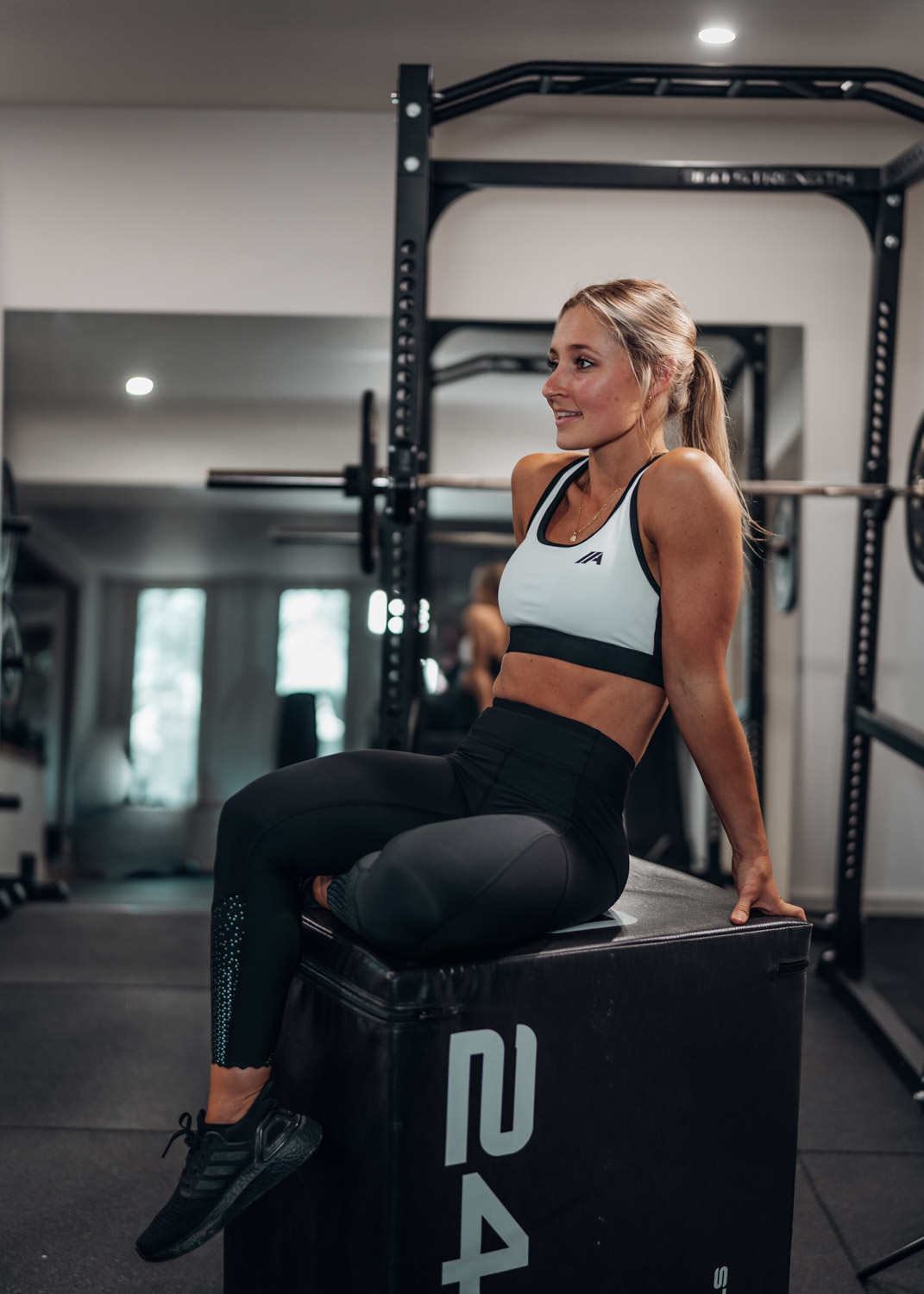
A useful default is light coming from roughly forty five degrees to the side and slightly above eye level. It sculpts the face without carving unflattering shapes into it.
Quality is about relative size
Hard light means sharp shadow edges. Soft light means gradual ones. What decides this is how big the light source is relative to the subject. The sun is enormous but so far away that on a clear day it acts small and hard. Put cloud in front of it and the whole sky becomes the source, which is why overcast light is so soft.
- Want softer, move the source closer or make it bigger, or find open shade
- Want harder, move it further away or use a bare direct source
- Soft light flatters skin and hides texture
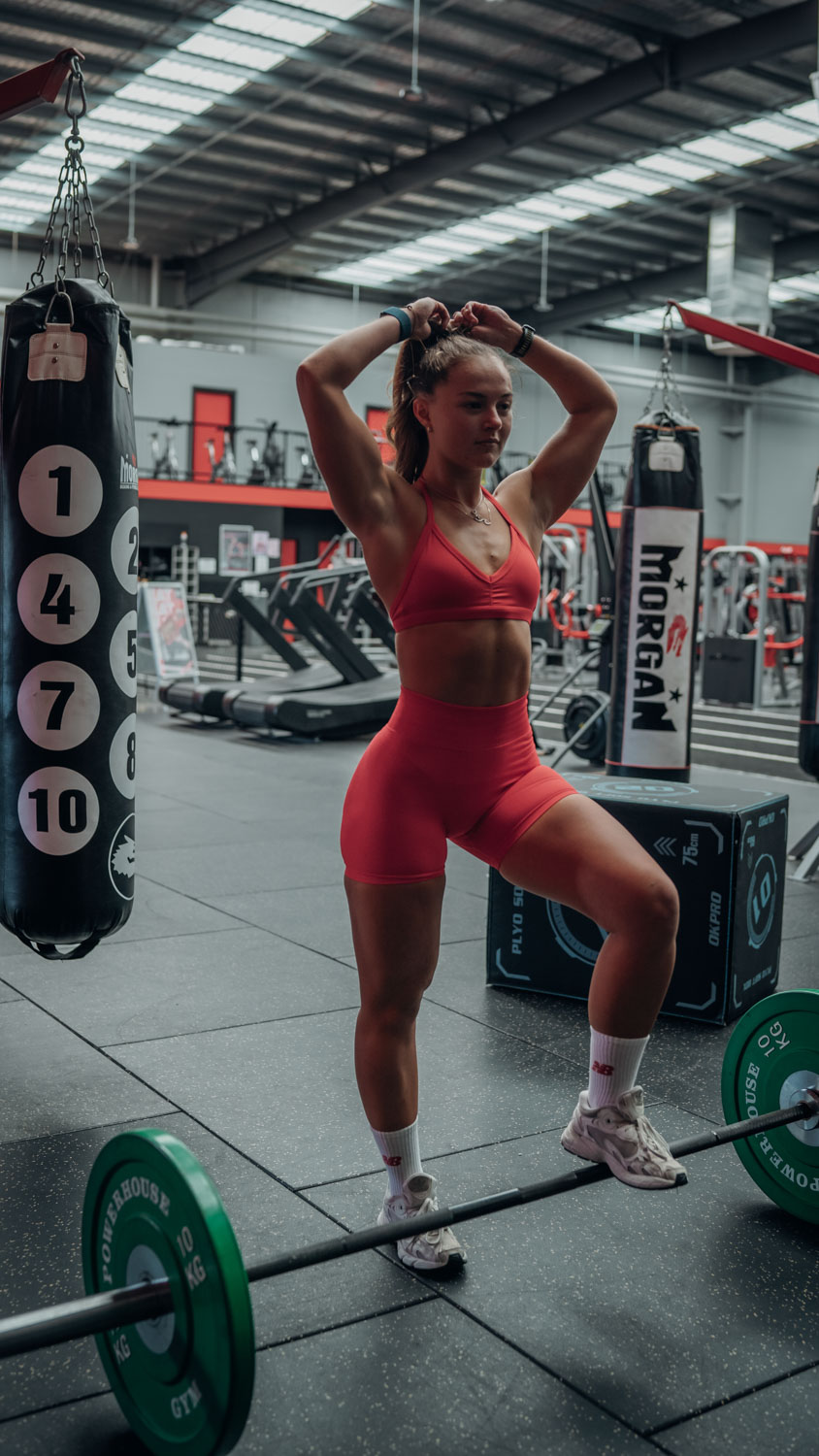
- Hard light creates drama and defines muscle, which is why it suits fitness work
Ratio controls the mood
The ratio is how much darker the shadow side of the face is than the lit side. A small difference feels open, clean and commercial. A large difference feels moody, serious and editorial. Bouncing a little light back into the shadows is how you dial it, and a plain white surface is often enough.
Catchlights matter more than you think
The reflection of the light source in the eyes is what makes a portrait look alive. No catchlight and the eyes go dead flat, regardless of how good everything else is. If I am adjusting your chin by a couple of centimetres, this is frequently why.
Working with only natural light
- A doorway or a large window is a superb soft source, stand just inside it
- Open shade on a bright day gives even light with no squinting
- A white wall opposite the light works as a free reflector
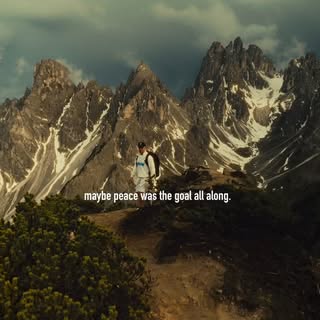
- Backlighting into the sun with a reflector in front gives a glowing look
- Watch for colour casts, green from grass and orange from brick will land on skin
The habit worth building
Start noticing light when you are not shooting. Where is it coming from in this cafe. What shape is it making on that persons face. Once you see it constantly, choosing where to stand becomes automatic.